Best Foods That May Help Reduce Anxiety
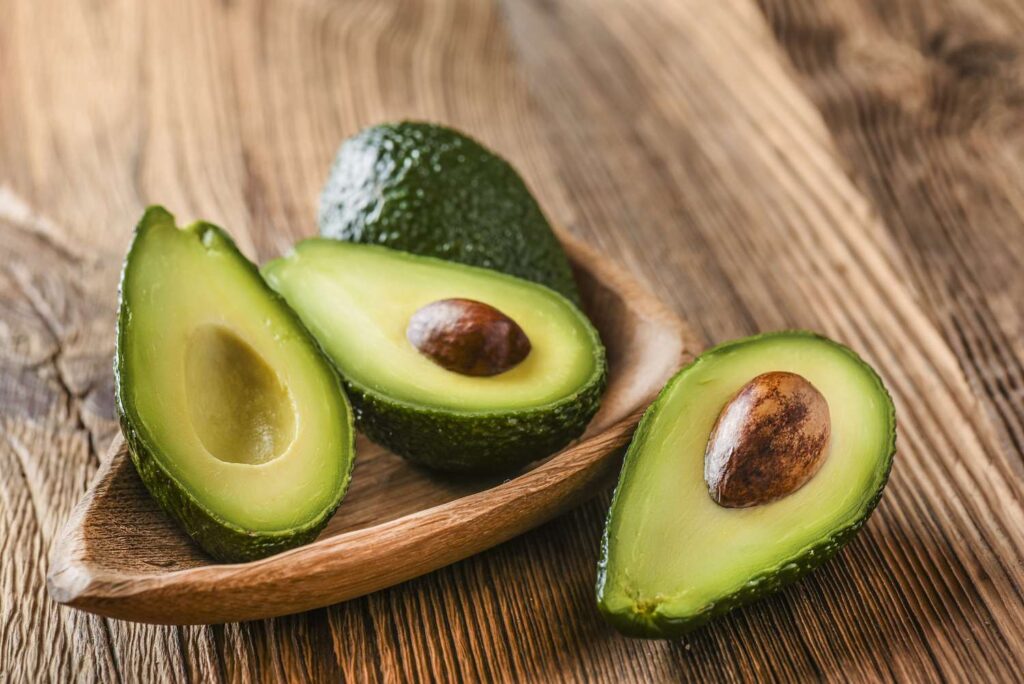
Table of Contents
- Best Foods That May Help Reduce Anxiety
- Can Food Really Affect Anxiety?
- Benefits of a Healthy Diet
- Nutrients That Support Mental Well-Being
- Omega-3 Fatty Acids
- Magnesium
- B Vitamins
- Vitamin D
- Protein
- Fiber
- 1. Fatty Fish
- Healthy Choices
- Why They're Helpful
- 2. Leafy Green Vegetables
- Great Options
- Nutritional Benefits
- 3. Nuts and Seeds
- Good Choices
- Why Include Them?
- 4. Whole Grains
- Healthy Options
- Benefits
- 5. Yogurt and Fermented Foods
- Foods to Try
- 6. Berries
- Popular Choices
- Easy Ways to Enjoy Them
- 7. Bananas
- Benefits
- 8. Eggs
- Nutritional Highlights
- 9. Avocados
- Why Add Them?
- 10. Dark Chocolate
- Choose Wisely
- Enjoy in Moderation
- 11. Herbal Tea
- Popular Choices
- 12. Beans and Lentils
- Benefits
- 13. Citrus Fruits
- Great Options
- 14. Green Tea
- Enjoy in Moderation
- 15. Water
- Easy Hydration Tips
- Foods That May Increase Anxiety for Some People
- Highly Caffeinated Drinks
- Sugary Snacks
- Excess Alcohol
- Highly Processed Foods
- Sample Anxiety-Friendly Meal Plan
- Breakfast
- Morning Snack
- Lunch
- Afternoon Snack
- Dinner
- Evening
- Healthy Lifestyle Habits That Work Alongside Good Nutrition
- Exercise Regularly
- Sleep Well
- Practice Mindfulness
- Stay Connected
- Manage Stress
- Final Thoughts
- Frequently Asked Questions
- Can certain foods cure anxiety?
- Is caffeine bad for anxiety?
- What should I drink if I feel anxious?
- Can skipping meals affect anxiety?
- What is the best overall diet for mental wellness?
Best Foods That May Help Reduce Anxiety
Have you ever noticed that what you eat can affect how you feel? While no single food can cure anxiety, a balanced and nutritious diet plays an important role in supporting your brain, mood, and overall mental well-being.
Your brain needs a steady supply of vitamins, minerals, healthy fats, protein, and complex carbohydrates to function properly. When your diet lacks these essential nutrients, it may affect your energy levels, concentration, and emotional balance. On the other hand, choosing nutrient-rich foods can help support a healthy nervous system and make it easier to cope with everyday stress.
In this guide, you’ll discover some of the best foods that may help reduce anxiety naturally, along with simple nutrition tips that you can include in your daily routine.
Important: Food alone cannot treat anxiety disorders. If anxiety is severe, persistent, or affecting your daily life, it’s important to seek advice from a qualified healthcare or mental health professional.
- Can Food Really Affect Anxiety?
- Nutrients That Support Mental Well-Being
- 1. Fatty Fish
- 2. Leafy Green Vegetables
- 3. Nuts and Seeds
- 4. Whole Grains
- 5. Yogurt and Fermented Foods
- 6. Berries
- 7. Bananas
- 8. Eggs
- 9. Avocados
- 10. Dark Chocolate
- 11. Herbal Tea
- 12. Beans and Lentils
- 13. Citrus Fruits
- 14. Green Tea
- 15. Water
- Foods That May Increase Anxiety for Some People
- Sample Anxiety-Friendly Meal Plan
- Healthy Lifestyle Habits That Work Alongside Good Nutrition
- Final Thoughts
- Frequently Asked Questions
Can Food Really Affect Anxiety?
Yes, nutrition and mental health are closely connected.
The brain relies on nutrients from the foods you eat to produce neurotransmitters, regulate hormones, and support normal brain function. While healthy eating isn’t a replacement for professional treatment when it’s needed, it can be an important part of an overall self-care plan.
Benefits of a Healthy Diet
- Supports brain function
- Provides steady energy
- Helps regulate blood sugar
- Supports better sleep
- Promotes overall well-being
- Helps maintain a healthy body
Healthy eating works best alongside other habits like regular exercise, quality sleep, and stress management.
Nutrients That Support Mental Well-Being
Before exploring specific foods, it’s helpful to understand which nutrients play an important role.
Omega-3 Fatty Acids
Support healthy brain function.
Magnesium
Supports muscle and nerve function.
B Vitamins
Help your body convert food into energy and support normal nervous system function.
Vitamin D
Supports overall health and normal immune function.
Protein
Provides amino acids that the body uses to make important brain chemicals.
Fiber
Supports digestive health, which may play a role in overall well-being.
1. Fatty Fish
Fatty fish are among the best sources of omega-3 fatty acids.
Healthy Choices
- Salmon
- Sardines
- Mackerel
- Trout
Why They’re Helpful
Omega-3 fats support normal brain function and are part of a balanced diet.
Aim to include fish in your meals a couple of times per week if it fits your dietary preferences.
2. Leafy Green Vegetables
Dark green vegetables provide many important nutrients.
Great Options
- Spinach
- Kale
- Swiss chard
- Collard greens
Nutritional Benefits
They provide vitamins, minerals, and fiber while being naturally low in calories.
Adding leafy greens to meals is an easy way to improve overall nutrition.
3. Nuts and Seeds
Nuts and seeds are convenient, nutrient-rich snacks.
Good Choices
- Almonds
- Walnuts
- Pumpkin seeds
- Chia seeds
- Flaxseeds
Why Include Them?
They contain healthy fats, fiber, and minerals that support overall health.
Enjoy them in moderation because they are calorie-dense.
4. Whole Grains
Whole grains provide steady energy throughout the day.
Healthy Options
- Oats
- Brown rice
- Quinoa
- Whole-grain bread
- Whole-wheat pasta
Benefits
Complex carbohydrates digest more slowly than refined grains, helping provide a more consistent energy supply.
5. Yogurt and Fermented Foods
Your digestive system and brain communicate through what’s often called the gut-brain connection.
Foods to Try
- Plain yogurt
- Kefir
- Kimchi
- Sauerkraut
- Miso
Fermented foods can be part of a balanced diet that supports digestive health.
Choose products with minimal added sugar whenever possible.
6. Berries
Berries are colorful, flavorful, and packed with nutrients.
Popular Choices
- Blueberries
- Strawberries
- Raspberries
- Blackberries
Easy Ways to Enjoy Them
- Add to oatmeal
- Mix into yogurt
- Blend into smoothies
- Eat as a snack
They’re naturally sweet and rich in vitamins and fiber.
7. Bananas
Bananas are convenient and easy to include in your diet.
Benefits
They provide carbohydrates, potassium, and vitamin B6, making them a popular pre-workout or afternoon snack.
Pair a banana with peanut butter or yogurt for a balanced snack.
8. Eggs
Eggs provide high-quality protein and several important nutrients.
Nutritional Highlights
- Protein
- Vitamin B12
- Choline
- Vitamin D (in some eggs)
Protein helps keep you feeling satisfied between meals.
9. Avocados
Avocados are rich in healthy monounsaturated fats.
Why Add Them?
They also provide:
- Fiber
- Potassium
- Folate
Try adding avocado to salads, sandwiches, or whole-grain toast.
10. Dark Chocolate
Many people enjoy dark chocolate as an occasional treat.
Choose Wisely
Look for varieties with at least 70% cocoa.
Enjoy in Moderation
A small serving can fit into a balanced diet.
Remember that chocolate also contains calories and may contain caffeine.
11. Herbal Tea
Warm beverages can be comforting during stressful moments.
Popular Choices
- Chamomile tea
- Peppermint tea
- Lemon balm tea
- Ginger tea
Many people find that taking time to enjoy a warm cup of herbal tea helps them slow down and relax.
12. Beans and Lentils
These plant-based foods provide lasting energy.
Benefits
- High in fiber
- Good source of protein
- Rich in minerals
Examples include:
- Black beans
- Kidney beans
- Chickpeas
- Lentils
They’re affordable and versatile.
13. Citrus Fruits
Citrus fruits add color and freshness to your meals.
Great Options
- Oranges
- Grapefruits
- Lemons
- Limes
They’re an excellent source of vitamin C and make refreshing snacks.
14. Green Tea
Green tea naturally contains less caffeine than coffee and also provides L-theanine, an amino acid that has been studied for its potential role in promoting relaxation and attention.
Enjoy in Moderation
If you’re sensitive to caffeine, choose decaffeinated green tea or limit your intake.
15. Water
Hydration is often overlooked.
Even mild dehydration can affect concentration, energy, and mood.
Easy Hydration Tips
- Carry a reusable bottle.
- Drink water regularly.
- Eat water-rich fruits and vegetables.
Staying hydrated supports your body’s normal functions.
Foods That May Increase Anxiety for Some People
Everyone responds differently to food, but some people notice that certain items make them feel more anxious.
Highly Caffeinated Drinks
Too much caffeine may increase nervousness or make it harder to sleep.
Sugary Snacks
Large amounts of added sugar may lead to energy spikes followed by crashes.
Excess Alcohol
Alcohol can affect sleep quality and mood.
Highly Processed Foods
A balanced diet generally includes fewer highly processed foods and more whole foods.
Pay attention to how different foods affect your body.
Sample Anxiety-Friendly Meal Plan
Breakfast
Oatmeal with Blueberries and Walnuts
Provides fiber, healthy fats, and lasting energy.
Morning Snack
Banana with Almond Butter
A satisfying combination of carbohydrates and healthy fats.
Lunch
Grilled Salmon with Brown Rice and Spinach
A balanced meal with protein, whole grains, and vegetables.
Afternoon Snack
Plain Yogurt with Fresh Berries
Rich in protein and naturally sweet.
Dinner
Grilled Chicken with Roasted Vegetables and Quinoa
A nutritious way to end the day.
Evening
Chamomile Tea
A calming bedtime routine for many people.
Healthy Lifestyle Habits That Work Alongside Good Nutrition
Nutrition is only one part of supporting your mental well-being.
Exercise Regularly
Aim for at least 30 minutes of activity most days.
Sleep Well
Try to get 7–9 hours of sleep each night.
Practice Mindfulness
Spend a few minutes each day focusing on your breathing or surroundings.
Stay Connected
Talk to friends and family regularly.
Manage Stress
Journaling, hobbies, and time outdoors can all support emotional well-being.
Final Thoughts
Eating a balanced diet filled with whole, nutrient-rich foods is one way to support your overall health and emotional well-being. While no food can eliminate anxiety, healthy eating habits can work alongside exercise, quality sleep, mindfulness, and other self-care strategies to help you feel your best.
Rather than focusing on a single “superfood,” aim to build a varied diet that includes fruits, vegetables, whole grains, lean proteins, healthy fats, and plenty of water. Small, consistent changes are often more sustainable than dramatic dietary overhauls.
If anxiety is persistent or significantly affects your daily life, remember that professional support is available. Nutrition can be part of the solution, but it isn’t a substitute for appropriate medical or mental health care.
Frequently Asked Questions
Can certain foods cure anxiety?
No. There is no single food that can cure anxiety. However, a balanced diet can support overall health and may contribute to better emotional well-being.
Is caffeine bad for anxiety?
Some people are more sensitive to caffeine than others. If you notice that caffeine increases nervousness, restlessness, or affects your sleep, reducing your intake may help.
What should I drink if I feel anxious?
Water is always a good choice. Many people also enjoy herbal teas such as chamomile or peppermint as part of a relaxing routine.
Can skipping meals affect anxiety?
For some people, long periods without eating can lead to low energy or irritability. Eating regular, balanced meals may help maintain steady energy levels.
What is the best overall diet for mental wellness?
A balanced eating pattern that includes vegetables, fruits, whole grains, lean proteins, healthy fats, and adequate hydration supports overall health and may benefit emotional well-being.