Anxiety vs Stress: What’s the Difference?
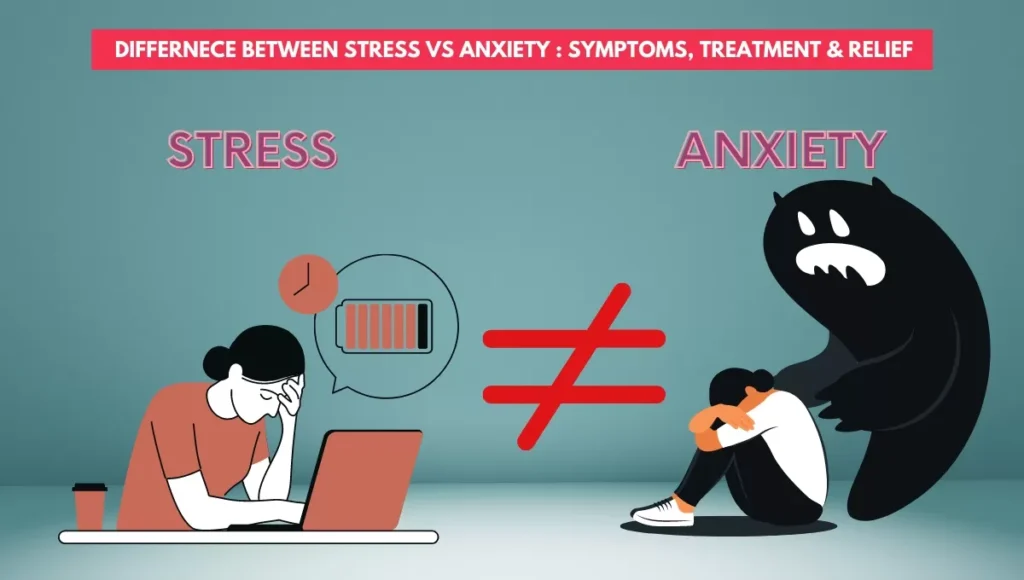
Table of Contents
- Anxiety vs Stress: What's the Difference? A Simple Guide to Understanding Both
- What Is Stress?
- Common Causes of Stress
- What Is Anxiety?
- Common Signs of Anxiety
- Stress vs Anxiety: The Biggest Difference
- Is There a Clear Reason for How You're Feeling?
- Example 1
- Example 2
- Quick Comparison: Stress vs Anxiety
- Signs You're Experiencing Stress
- Emotional Signs
- Physical Signs
- Behavioral Signs
- Signs You're Experiencing Anxiety
- Emotional Signs
- Physical Signs
- Behavioral Signs
- Can Stress Turn Into Anxiety?
- Healthy Ways to Manage Stress
- Prioritize Your Tasks
- Exercise Regularly
- Take Breaks
- Get Enough Sleep
- Talk to Someone
- Healthy Ways to Manage Anxiety
- Practice Deep Breathing
- Challenge Unhelpful Thoughts
- Practice Mindfulness
- Reduce Caffeine If Needed
- Build a Daily Routine
- When Is It Time to Seek Help?
- Interfere With Daily Life
- Continue for Several Weeks
- Cause Panic Attacks
- Affect Your Sleep
- Lead You to Avoid Everyday Activities
- Everyday Habits That Support Mental Well-Being
- Stay Active
- Eat Balanced Meals
- Stay Hydrated
- Spend Time Outdoors
- Stay Connected
- Practice Gratitude
- Myths About Stress and Anxiety
- Myth: Stress and Anxiety Are Exactly the Same
- Myth: Only Weak People Experience Anxiety
- Myth: You Should Ignore Stress
- Myth: Anxiety Always Has a Clear Cause
- Final Thoughts
- Frequently Asked Questions
- Is stress worse than anxiety?
- Can stress cause anxiety?
- How can I tell if I'm stressed or anxious?
- Can exercise help with both stress and anxiety?
- When should I seek professional help?
Anxiety vs Stress: What’s the Difference? A Simple Guide to Understanding Both
Have you ever said, “I’m so stressed!” when work piles up, or “I’m feeling anxious” before an important event? Many people use the words stress and anxiety interchangeably, but they aren’t exactly the same.
While they share many similarities, understanding the difference can help you respond to your emotions in healthier ways. Stress is often linked to a specific challenge or pressure, whereas anxiety may continue even after the stressful situation has passed.
The good news is that both stress and anxiety can be managed. By recognizing what you’re experiencing, you can choose the right coping strategies and know when it’s time to seek additional support.
Let’s break it down in a simple, easy-to-understand way.
Important: This article is for educational purposes and is not a substitute for medical advice. If anxiety or stress is causing significant distress or affecting your daily life, consider speaking with a qualified healthcare or mental health professional.
What Is Stress?
Stress is your body’s natural response to a challenge, demand, or change.
Think of stress as your body’s alarm system. When your brain detects something important—whether it’s a work deadline, an upcoming exam, or even planning a wedding—it prepares your body to respond.
Common Causes of Stress
- Tight work deadlines
- Financial worries
- Exams and assignments
- Family responsibilities
- Relationship challenges
- Moving to a new home
- Health concerns
- Major life changes
Stress isn’t always negative.
For example, feeling excited before your wedding, preparing for a sports competition, or starting a new job can all create a healthy level of stress that motivates you to perform well.
What Is Anxiety?
Anxiety is your mind and body’s response to perceived danger or uncertainty.
Unlike stress, anxiety doesn’t always have an obvious cause.
Sometimes anxious feelings continue even when everything appears to be fine.
You might find yourself worrying about situations that haven’t happened—or may never happen at all.
Common Signs of Anxiety
- Constant worrying
- Feeling restless
- Racing thoughts
- Difficulty concentrating
- Trouble sleeping
- Muscle tension
- Increased heart rate
- Feeling “on edge”
Anxiety exists on a spectrum. Many people experience occasional anxiety, while others may develop anxiety disorders that benefit from professional treatment.
Stress vs Anxiety: The Biggest Difference
The easiest way to understand the difference is by asking one question:
Is There a Clear Reason for How You’re Feeling?
If the answer is yes, you’re likely experiencing stress.
If the answer is not really, or the worrying continues long after the situation is over, anxiety may be involved.
Example 1
You have a presentation tomorrow.
You’re nervous today.
After giving the presentation, you feel relieved.
This is likely stress.
Example 2
Your presentation went well.
Several days later you’re still replaying every word you said and worrying that everyone judged you.
This may be anxiety.
Quick Comparison: Stress vs Anxiety
| Stress | Anxiety |
|---|---|
| Usually has a clear cause | May not have an obvious cause |
| Often ends when the situation ends | Can continue even after the situation is over |
| Can sometimes improve motivation | Often creates ongoing worry |
| Usually short-term | Can become persistent |
| Often related to external events | Often involves internal thoughts and fears |
Both experiences are real, valid, and deserve attention.
Signs You’re Experiencing Stress
Emotional Signs
- Feeling frustrated
- Irritability
- Feeling overwhelmed
- Mood swings
Physical Signs
- Headaches
- Tight shoulders
- Fatigue
- Upset stomach
Behavioral Signs
- Procrastination
- Poor sleep
- Eating more or less than usual
- Difficulty relaxing
Stress often improves once the challenge has passed.
Signs You’re Experiencing Anxiety
Emotional Signs
- Constant worrying
- Fear without a clear reason
- Feeling out of control
- Difficulty relaxing
Physical Signs
- Rapid heartbeat
- Sweating
- Trembling
- Shortness of breath
- Muscle tension
Behavioral Signs
- Avoiding certain situations
- Seeking constant reassurance
- Overthinking decisions
- Difficulty sleeping even when life feels calm
Anxiety may linger long after stressful events have ended.
Can Stress Turn Into Anxiety?
Yes.
Long periods of unmanaged stress can sometimes contribute to anxiety.
Imagine carrying a heavy backpack every day.
At first, it feels manageable.
After weeks or months, the weight becomes exhausting.
Your mind works in a similar way.
That’s why it’s important to manage stress before it becomes overwhelming.
Healthy Ways to Manage Stress
Prioritize Your Tasks
Focus on one thing at a time.
Large projects become easier when divided into smaller steps.
Exercise Regularly
Movement helps release physical tension.
Great options include:
- Walking
- Cycling
- Yoga
- Swimming
- Strength training
Take Breaks
Working continuously reduces productivity.
Even five-minute breaks help refresh your mind.
Get Enough Sleep
Aim for seven to nine hours of quality sleep.
Rest improves both physical and emotional resilience.
Talk to Someone
Sharing concerns with a trusted friend, family member, or colleague often helps reduce stress.
Healthy Ways to Manage Anxiety
Practice Deep Breathing
Slow breathing helps calm your body’s stress response.
Try this:
- Breathe in for four seconds.
- Hold for four seconds.
- Exhale for six seconds.
Repeat several times.
Challenge Unhelpful Thoughts
Ask yourself:
- Is this thought based on facts?
- Am I assuming the worst?
- What would I tell a friend in this situation?
This helps create a more balanced perspective.
Practice Mindfulness
Bring your attention back to the present moment.
Notice:
- What you can see
- What you can hear
- What you can feel
Mindfulness helps interrupt cycles of overthinking.
Reduce Caffeine If Needed
Some people notice that too much caffeine increases feelings of nervousness.
Pay attention to how your body responds.
Build a Daily Routine
Simple routines provide structure and reduce uncertainty.
Include:
- Regular meals
- Exercise
- Relaxation
- Consistent sleep
When Is It Time to Seek Help?
Everyone experiences stress and anxiety occasionally.
However, additional support may be helpful if your symptoms:
Interfere With Daily Life
Work, school, or relationships become difficult.
Continue for Several Weeks
The feelings don’t improve despite self-care.
Cause Panic Attacks
You experience sudden episodes of intense fear or physical symptoms.
Affect Your Sleep
You’re unable to rest consistently.
Lead You to Avoid Everyday Activities
You begin avoiding situations because of fear or worry.
Speaking with a healthcare provider or mental health professional can help you understand what’s happening and explore effective treatment options.
Seeking help is a positive step toward feeling better.
Everyday Habits That Support Mental Well-Being
Stay Active
Move your body most days of the week.
Eat Balanced Meals
Fuel your brain with nutritious foods.
Stay Hydrated
Water supports both physical and mental health.
Spend Time Outdoors
Nature can help many people feel calmer.
Stay Connected
Healthy relationships provide emotional support.
Practice Gratitude
Write down three positive things each day.
Small moments matter.
Myths About Stress and Anxiety
Myth: Stress and Anxiety Are Exactly the Same
Reality: They are related but different experiences.
Myth: Only Weak People Experience Anxiety
Reality: Anxiety can affect anyone, regardless of age, background, or personality.
Myth: You Should Ignore Stress
Reality: Managing stress early often prevents it from becoming more overwhelming.
Myth: Anxiety Always Has a Clear Cause
Reality: Anxiety can occur even when there isn’t an obvious trigger.
Final Thoughts
Stress and anxiety are both natural human experiences, but understanding the difference can help you respond more effectively.
Stress usually appears because of a specific challenge and often improves once that challenge passes. Anxiety, on the other hand, can linger, create ongoing worry, and sometimes appear without a clear cause.
Neither experience should be ignored. By practicing healthy habits such as regular exercise, quality sleep, mindfulness, balanced nutrition, and staying connected with supportive people, you can strengthen your emotional well-being and become more resilient during life’s challenges.
Remember, you don’t have to eliminate every stressful or anxious moment to live a healthy life. The goal is to learn healthy ways to manage them—and to seek professional support when you need it.
Frequently Asked Questions
Is stress worse than anxiety?
Neither is necessarily “worse.” Stress is often temporary and linked to a specific event, while anxiety may last longer and can continue even without an obvious trigger.
Can stress cause anxiety?
Long-term or unmanaged stress may contribute to anxiety for some people.
How can I tell if I’m stressed or anxious?
If your feelings are mainly tied to a specific situation and improve when it’s over, you’re likely experiencing stress. If worry continues or seems unrelated to a clear cause, anxiety may be involved.
Can exercise help with both stress and anxiety?
Yes. Regular physical activity supports overall mental well-being and can help many people manage both stress and anxiety.
When should I seek professional help?
If stress or anxiety significantly affects your work, school, relationships, sleep, or daily life, or if symptoms become persistent or overwhelming, it’s a good idea to consult a healthcare or mental health professional.