How Meditation Can Help Manage Anxiety
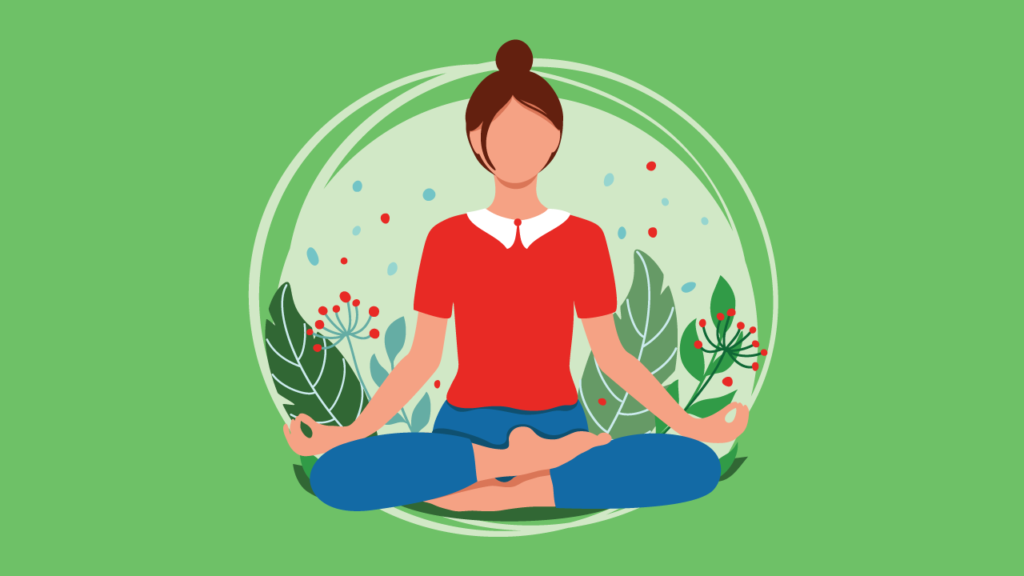
Table of Contents
- How Meditation Can Help Manage Anxiety
- What Is Meditation?
- How Anxiety Affects the Mind and Body
- Emotional Symptoms
- Physical Symptoms
- How Meditation May Help Manage Anxiety
- Possible Benefits
- The Science Behind Meditation and Anxiety
- Types of Meditation That May Help
- 1. Mindfulness Meditation
- How It Works
- 2. Breathing Meditation
- Simple Practice
- 3. Guided Meditation
- 4. Body Scan Meditation
- How It Works
- 5. Loving-Kindness Meditation
- A Simple 10-Minute Meditation for Beginners
- Step 1: Find a Comfortable Position
- Step 2: Close Your Eyes or Soften Your Gaze
- Step 3: Focus on Your Breathing
- Step 4: Notice Wandering Thoughts
- Step 5: Finish Slowly
- Building a Daily Meditation Habit
- Start Small
- Choose the Same Time
- Create a Comfortable Space
- Don't Expect a Perfect Session
- Common Challenges Beginners Face
- "I Can't Stop Thinking"
- "I Don't Have Time"
- "I'm Doing It Wrong"
- Other Healthy Habits That Work Well with Meditation
- Exercise Regularly
- Prioritize Sleep
- Eat Balanced Meals
- Stay Hydrated
- Spend Time Outdoors
- Connect with Others
- Common Meditation Myths
- Myth: Meditation Means Stopping All Thoughts
- Myth: You Need to Meditate for an Hour
- Myth: Meditation Is Only for Spiritual People
- Myth: Meditation Works Instantly
- Sample Daily Meditation Routine
- Morning
- Afternoon
- Evening
- Before Sleeping
- When Should You Seek Professional Support?
- Anxiety Interferes with Daily Life
- Panic Attacks Occur
- Symptoms Persist
- You Feel Overwhelmed
- Final Thoughts
- Frequently Asked Questions
- Can meditation reduce anxiety?
- How long should I meditate each day?
- Is it normal for my mind to wander during meditation?
- Which type of meditation is best for anxiety?
- Can meditation replace therapy or medication?
How Meditation Can Help Manage Anxiety
Life moves fast. Between work, family responsibilities, finances, social media, and everyday challenges, it’s easy to feel mentally exhausted. When worries begin to pile up, your mind may race from one thought to another, making it difficult to relax, focus, or even sleep.
This is where meditation can help.
Meditation is a simple practice that encourages you to slow down, become more aware of the present moment, and respond to stressful thoughts with greater calm. You don’t need special equipment, years of experience, or hours of free time. Even just 5–10 minutes of meditation each day can become a valuable part of a healthy self-care routine.
While meditation isn’t a cure for anxiety, research suggests it may help many people reduce stress, improve emotional regulation, and develop healthier ways to respond to anxious thoughts when practiced consistently.
In this guide, you’ll learn how meditation can help manage anxiety, different types of meditation, beginner-friendly techniques, and practical tips for building a daily meditation habit.
Important: Meditation can support mental well-being, but it is not a replacement for professional treatment. If anxiety is severe, persistent, or significantly affects your daily life, speak with a qualified healthcare or mental health professional.
What Is Meditation?
Meditation is the practice of intentionally focusing your attention.
Instead of trying to completely stop your thoughts, meditation teaches you to notice them without immediately reacting to them.
Think of your thoughts like clouds moving across the sky.
Rather than chasing every cloud, meditation encourages you to simply observe them as they pass.
Over time, this practice may help you respond more calmly to stressful situations.
How Anxiety Affects the Mind and Body
Anxiety influences more than just your thoughts.
It can also affect your body.
Emotional Symptoms
- Excessive worrying
- Feeling restless
- Irritability
- Difficulty concentrating
- Fear of the future
Physical Symptoms
- Rapid heartbeat
- Muscle tension
- Sweating
- Upset stomach
- Trouble sleeping
- Shallow breathing
Meditation doesn’t remove life’s challenges, but it may help you respond to them more effectively.
How Meditation May Help Manage Anxiety
Meditation encourages awareness instead of automatic reactions.
With regular practice, many people notice that anxious thoughts become easier to recognize without feeling controlled by them.
Possible Benefits
- Helps calm the mind
- Encourages relaxation
- Supports emotional awareness
- Improves concentration
- Promotes better sleep
- Helps manage everyday stress
- Encourages healthier coping habits
Results vary from person to person, but consistency often matters more than session length.
The Science Behind Meditation and Anxiety
Researchers have studied meditation for many years.
While more research is ongoing, studies suggest that mindfulness-based meditation may help reduce symptoms of stress and anxiety for some people when used alongside healthy lifestyle habits or appropriate treatment.
Meditation is believed to support emotional regulation and encourage greater awareness of thoughts and feelings without immediately reacting to them.
The goal isn’t to eliminate thoughts—it’s to change your relationship with them.
Types of Meditation That May Help
There isn’t one “perfect” meditation style.
Different approaches work for different people.
1. Mindfulness Meditation
Mindfulness meditation focuses on paying attention to the present moment.
How It Works
Notice:
- Your breathing
- Physical sensations
- Sounds around you
- Thoughts as they appear
When your mind wanders, gently bring your attention back to your breath.
2. Breathing Meditation
This is one of the easiest forms of meditation for beginners.
Simple Practice
Inhale
Slowly breathe in through your nose.
Exhale
Slowly breathe out through your mouth.
Focus only on your breathing for five to ten minutes.
3. Guided Meditation
Guided meditation involves listening to an instructor who leads you through relaxation or visualization exercises.
Many beginners find this style easier because it provides gentle direction.
4. Body Scan Meditation
This technique helps increase awareness of physical tension.
How It Works
Slowly move your attention through your body.
Notice areas such as:
- Feet
- Legs
- Hips
- Back
- Shoulders
- Face
Simply observe any sensations without judging them.
5. Loving-Kindness Meditation
Also called Metta Meditation, this practice encourages compassion toward yourself and others.
You silently repeat kind phrases such as:
- May I be safe.
- May I be healthy.
- May I be peaceful.
Then extend those wishes to other people.
A Simple 10-Minute Meditation for Beginners
You don’t need a quiet mountain or special clothing.
You simply need a few uninterrupted minutes.
Step 1: Find a Comfortable Position
Sit on a chair or cushion.
Keep your back comfortably straight.
Relax your shoulders.
Step 2: Close Your Eyes or Soften Your Gaze
Choose whichever feels more comfortable.
Step 3: Focus on Your Breathing
Notice each inhale and exhale.
Don’t try to change your breathing.
Simply observe it.
Step 4: Notice Wandering Thoughts
Your mind will wander.
That’s completely normal.
Instead of becoming frustrated, gently return your attention to your breathing.
Every time you do this, you’re practicing mindfulness.
Step 5: Finish Slowly
After several minutes:
- Open your eyes.
- Take a deep breath.
- Notice how you feel.
Even a short meditation session can leave you feeling more grounded.
Building a Daily Meditation Habit
Consistency is more important than perfection.
Start Small
Begin with just five minutes each day.
Choose the Same Time
Many people meditate:
- After waking up
- During lunch
- Before bed
A regular schedule makes the habit easier to maintain.
Create a Comfortable Space
Choose a quiet location where you won’t be interrupted.
Don’t Expect a Perfect Session
Some days your mind will feel busy.
That’s okay.
Meditation is about practicing awareness—not achieving perfection.
Common Challenges Beginners Face
“I Can’t Stop Thinking”
That’s normal.
Meditation isn’t about having an empty mind.
It’s about noticing thoughts without getting caught up in them.
“I Don’t Have Time”
Even five minutes can be valuable.
Small sessions performed consistently often provide greater benefits than occasional long sessions.
“I’m Doing It Wrong”
There is no perfect meditation.
Simply returning your attention to the present moment is the practice.
Other Healthy Habits That Work Well with Meditation
Meditation is most effective when combined with other healthy lifestyle habits.
Exercise Regularly
Physical activity supports mental well-being.
Prioritize Sleep
Aim for seven to nine hours each night.
Eat Balanced Meals
Choose nutrient-rich foods.
Stay Hydrated
Drink water throughout the day.
Spend Time Outdoors
Nature can be calming and restorative.
Connect with Others
Healthy relationships support emotional well-being.
Common Meditation Myths
Myth: Meditation Means Stopping All Thoughts
Reality:
Thoughts are normal.
Meditation teaches you to observe them without judgment.
Myth: You Need to Meditate for an Hour
Reality:
Five to ten minutes each day can be a meaningful starting point.
Myth: Meditation Is Only for Spiritual People
Reality:
Many people practice meditation simply to support relaxation, focus, and mental well-being.
Myth: Meditation Works Instantly
Reality:
Like exercise, meditation often becomes more beneficial with regular practice.
Sample Daily Meditation Routine
Morning
Five Minutes of Mindful Breathing
Start your day calmly.
Afternoon
Two-Minute Breathing Break
Pause between tasks.
Evening
Ten-Minute Guided Meditation
Relax before bed.
Before Sleeping
Gratitude Reflection
Think of three positive moments from your day.
When Should You Seek Professional Support?
Meditation can be a valuable tool, but it isn’t always enough on its own.
Consider speaking with a healthcare or mental health professional if:
Anxiety Interferes with Daily Life
Work, school, or relationships become difficult.
Panic Attacks Occur
You experience sudden episodes of intense fear.
Symptoms Persist
Your anxiety continues for several weeks or months despite self-care efforts.
You Feel Overwhelmed
Professional support can provide personalized strategies and evidence-based treatments.
Seeking help is a positive and courageous step.
Final Thoughts
Meditation is one of the simplest habits you can add to your daily routine to support your mental well-being. It doesn’t require expensive equipment or years of experience—just a few minutes of intentional attention each day.
Although meditation won’t eliminate every anxious thought, it can help you become more aware of your mind, respond to stress with greater calm, and build healthier emotional habits over time.
Start small, stay consistent, and remember that every meditation session is an opportunity to practice kindness toward yourself.
If anxiety continues to interfere with your daily life, don’t hesitate to seek support from a qualified healthcare or mental health professional. Meditation works best as part of a broader approach to mental wellness.
Frequently Asked Questions
Can meditation reduce anxiety?
Meditation may help many people manage everyday anxiety by encouraging relaxation, mindfulness, and healthier responses to stressful thoughts. It is not a replacement for professional treatment when needed.
How long should I meditate each day?
Beginners can start with 5–10 minutes a day. Consistency is generally more important than the length of each session.
Is it normal for my mind to wander during meditation?
Yes. Wandering thoughts are a normal part of meditation. The practice involves gently bringing your attention back whenever you notice your mind has drifted.
Which type of meditation is best for anxiety?
Mindfulness meditation, breathing meditation, guided meditation, and body scan meditation are popular options. The best choice is often the one you can practice consistently.
Can meditation replace therapy or medication?
No. Meditation can complement professional treatment, but it should not replace therapy, medication, or medical advice when these are recommended by a healthcare provider.