What Is Anxiety? Causes, Symptoms, Types, and When to Seek Help

Table of Contents
- What Is Anxiety? Causes, Symptoms, Types, and When to Seek Help
- What Is Anxiety?
- Anxiety vs. an Anxiety Disorder
- Common Symptoms of Anxiety
- Emotional and Mental Symptoms
- Physical Symptoms
- What Causes Anxiety?
- Stressful Life Events
- Genetics and Family History
- Personality and Temperament
- Other Health Conditions
- Types of Anxiety Disorders
- Generalized Anxiety Disorder
- Panic Disorder
- Social Anxiety Disorder
- Specific Phobias
- How Anxiety Can Affect Everyday Life
- Sleep
- Work and School
- Relationships
- Daily Activities
- Anxiety and Overthinking
- Internal Link
- Can Lifestyle Habits Help With Anxiety?
- Internal Link
- When Should You Seek Professional Help for Anxiety?
- How Is Anxiety Treated?
- What Can You Do During a Moment of Anxiety?
- Frequently Asked Questions About Anxiety
- Is anxiety normal?
- What are the most common symptoms of anxiety?
- Can anxiety cause physical symptoms?
- Can anxiety go away?
- Is anxiety the same as stress?
- When should I talk to a doctor about anxiety?
- Key Takeaways
- Sources & Further Reading
What Is Anxiety? Causes, Symptoms, Types, and When to Seek Help
Anxiety is a normal human response that can happen when we feel worried, uncertain, threatened, or under pressure. Almost everyone experiences anxiety from time to time, whether it’s before an important event, during a stressful period at work, or while dealing with uncertainty about the future.
But anxiety can become more difficult to manage when worry or fear is persistent, overwhelming, difficult to control, or begins interfering with everyday life.
Anxiety disorders are different from occasional worry. According to the National Institute of Mental Health (NIMH), anxiety disorders involve anxiety or fear that does not go away, occurs in many situations, or can become worse over time. (National Institute of Mental Health)
This guide explains what anxiety is, common symptoms, possible causes, different types of anxiety disorders, and when it may be appropriate to seek professional support.
Health information: This article is for general educational purposes. It does not diagnose anxiety or replace individualized medical or mental-health advice.
What Is Anxiety?
Anxiety is a feeling of worry, nervousness, fear, or uneasiness that can occur when we perceive a situation as uncertain or threatening.
A certain amount of anxiety can be useful. For example, feeling nervous before an examination or presentation may encourage you to prepare carefully.
The problem can arise when anxiety becomes excessive or continues even when there is no immediate danger.
Anxiety can affect more than your thoughts. It can influence your body, emotions, behavior, concentration, sleep, and relationships.
Common experiences can include:
- Feeling nervous or on edge
- Excessive worrying
- Feeling restless
- Difficulty relaxing
- Trouble concentrating
- Changes in sleep
- Muscle tension
- Sweating or trembling
- Feeling dizzy or lightheaded
- A faster or more noticeable heartbeat
- Stomach discomfort
- Avoiding situations that cause fear
The NHS notes that anxiety can affect the mind, body, and behavior, including sleep, concentration, physical sensations, and avoidance. (nhs.uk)
Anxiety vs. an Anxiety Disorder
Feeling anxious does not automatically mean that someone has an anxiety disorder.
For example, it is normal to feel anxious before a job interview, medical appointment, examination, public speech, or major life change.
An anxiety disorder involves more persistent or disruptive symptoms.
NIMH explains that generalized anxiety disorder, for example, involves excessive worry that occurs frequently or intensely and can interfere with everyday life. (National Institute of Mental Health)
A healthcare professional considers several factors when evaluating anxiety, including symptoms, how long they have been occurring, their effect on daily activities, and whether another medical or mental-health condition could be contributing.
This distinction is important because normal anxiety and an anxiety disorder are not the same thing.
Common Symptoms of Anxiety
Anxiety can produce both emotional and physical symptoms.
Emotional and Mental Symptoms
Some people experiencing anxiety may notice:
- Persistent worrying
- Feeling restless or constantly “on edge”
- Difficulty switching off worrying thoughts
- Fear about future events
- Irritability
- Difficulty concentrating
- Feeling overwhelmed
- Difficulty making decisions
- Expecting something bad to happen
- Repeatedly thinking about possible problems
For some people, anxiety can also lead to avoidance. They may start avoiding particular places, conversations, activities, or situations because they are worried about experiencing anxiety.
Physical Symptoms
Anxiety can activate the body’s stress response.
Physical symptoms can include:
- Faster or more noticeable heartbeat
- Sweating
- Shaking or trembling
- Muscle tension
- Feeling tired
- Dizziness or lightheadedness
- Shortness of breath
- Headaches
- Stomach discomfort
- Nausea
- Changes in appetite
- Difficulty falling asleep or staying asleep
NIMH and Mayo Clinic both list symptoms such as excessive worry, restlessness, difficulty concentrating, fatigue, sleep problems, muscle tension, sweating, trembling, and digestive symptoms among possible anxiety-related experiences. (Mayo Clinic)
However, physical symptoms should not automatically be assumed to be caused by anxiety. Some medical conditions can produce symptoms that resemble anxiety, which is one reason professional evaluation can be important when symptoms are new, severe, persistent, or unusual. (Mayo Clinic)
What Causes Anxiety?
There isn’t one single cause of anxiety.
Anxiety can develop through a combination of biological, psychological, environmental, and life experiences.
Possible contributing factors include:
Stressful Life Events
Major changes or prolonged stress can contribute to anxiety.
Examples may include:
- Financial difficulties
- Relationship problems
- Work pressure
- Academic pressure
- Major life changes
- Loss or grief
- Ongoing family concerns
- Difficult or traumatic experiences
Mayo Clinic notes that traumatic experiences and accumulated stress can contribute to anxiety in people who may already be vulnerable to it. (Mayo Clinic)
Genetics and Family History
Some anxiety disorders can run in families.
Having a relative with an anxiety disorder does not mean someone will definitely develop one, but family history can be one factor considered when understanding someone’s risk.
Personality and Temperament
Certain patterns of thinking or temperament may contribute to vulnerability to anxiety.
For example, some people may naturally be more cautious, sensitive to uncertainty, or prone to worrying.
Other Health Conditions
Anxiety-like symptoms can sometimes be associated with physical health conditions or medication effects.
Mayo Clinic notes that conditions involving the thyroid, heart, respiratory system, and other health issues can sometimes be associated with anxiety symptoms. (Mayo Clinic)
This is another reason not to self-diagnose based solely on symptoms found online.
Types of Anxiety Disorders
“Anxiety” is a broad term. There are several different anxiety disorders, and they can affect people in different ways.
Generalized Anxiety Disorder
Generalized anxiety disorder (GAD) involves excessive and persistent worry about everyday issues or multiple areas of life.
A person may worry repeatedly about health, finances, family, work, responsibilities, or future events.
NIMH explains that GAD involves frequent or intense worry that can interfere with daily life. (National Institute of Mental Health)
Panic Disorder
Panic disorder involves recurrent panic attacks and ongoing concern or changes in behavior related to those attacks.
A panic attack can involve a sudden period of intense fear or discomfort along with physical symptoms.
Social Anxiety Disorder
Social anxiety disorder involves significant fear or anxiety surrounding social situations where someone may feel judged, embarrassed, rejected, or negatively evaluated.
It can lead some people to avoid social situations or experience considerable distress when participating in them.
Specific Phobias
A specific phobia involves intense fear related to a particular object or situation.
Examples can include fear of certain animals, heights, flying, injections, or other specific situations.
NIMH identifies generalized anxiety disorder, panic disorder, social anxiety disorder, and phobia-related disorders among the major categories of anxiety disorders. (National Institute of Mental Health)
How Anxiety Can Affect Everyday Life
Occasional anxiety may pass once a stressful situation ends.
Persistent anxiety can be different.
When anxiety becomes difficult to manage, it may affect:
Sleep
Worrying thoughts can make it harder to fall asleep or stay asleep.
Internal link opportunity: Link the phrase “anxiety and sleep” to your future article “How to Sleep Better When Anxiety Keeps You Awake.”
Work and School
Persistent worry can make concentration and decision-making more difficult.
Someone may also avoid situations because they fear making mistakes or being judged.
Relationships
Anxiety can sometimes affect communication and social interaction.
Someone may withdraw from others, repeatedly seek reassurance, or avoid activities because of fear or worry.
Daily Activities
When anxiety becomes severe, everyday tasks can feel much more difficult.
Mayo Clinic notes that anxiety disorders can interfere with work, relationships, school, sleep, and other areas of daily functioning. (Mayo Clinic)
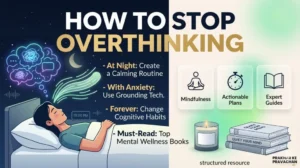
Anxiety and Overthinking
Anxiety and overthinking can sometimes occur together.
A person may repeatedly replay past conversations, worry about future possibilities, or imagine different negative outcomes.
For example:
“What if something goes wrong?”
“What if I made a mistake?”
“What if people think badly of me?”
This kind of repetitive thinking can make it difficult to focus on the present.
Internal Link
Your existing article “How to Stop Overthinking and Manage Anxiety” should be linked naturally here.
Suggested sentence:
If anxious thoughts keep repeating in your mind, learning practical strategies for managing overthinking may help you respond to those thoughts differently.
Link the words “managing overthinking” to your existing article.
Can Lifestyle Habits Help With Anxiety?
Lifestyle habits cannot replace professional treatment when someone has an anxiety disorder, but healthy routines can be part of overall well-being.
Some people find it useful to:
- Maintain a consistent sleep schedule
- Stay physically active
- Eat regular, balanced meals
- Make time for relaxation
- Practice breathing or mindfulness exercises
- Stay connected with supportive people
- Reduce reliance on alcohol or recreational drugs
- Break large tasks into smaller steps
- Keep a journal to identify patterns of worry
The NHS recommends approaches such as regular physical activity, talking about feelings, relaxation or breathing exercises, and maintaining healthy routines as strategies that may help people manage anxiety. (nhs.uk)
Internal Link
You can naturally link the phrase “healthy self-care habits” to your existing article:
Self-Care Tips for Managing Anxiety Every Day
This creates the beginning of a strong internal-linking structure.
When Should You Seek Professional Help for Anxiety?
Consider talking with a healthcare or mental-health professional when anxiety:
- Is difficult to control
- Is affecting your work or studies
- Is interfering with relationships
- Is disrupting your sleep
- Causes significant distress
- Leads you to avoid important activities
- Continues for a prolonged period
- Is getting worse rather than improving
Mayo Clinic recommends discussing anxiety with a doctor when excessive worry interferes with work, relationships, or other parts of daily life or becomes difficult to control. (Mayo Clinic)
Seeking professional help does not mean that you have failed to manage your anxiety.
A professional can help determine what may be contributing to your symptoms and discuss appropriate options.
How Is Anxiety Treated?
Treatment depends on the type and severity of anxiety and the individual’s circumstances.
Professional treatment may include psychotherapy, medication, or a combination of approaches.
NIMH identifies psychotherapy and medication as common treatment approaches for generalized anxiety disorder. Cognitive behavioral therapy (CBT) is one evidence-supported form of psychotherapy used for anxiety disorders. (National Institute of Mental Health)
Medication decisions should be made with a qualified healthcare professional rather than based on information from a website.
Different treatments may be appropriate for different people, and finding an effective approach can sometimes take time.
What Can You Do During a Moment of Anxiety?
If you notice yourself becoming anxious, some simple strategies may help you slow down and focus on the present.
You could try:
- Pause and notice what you’re feeling.
- Take slow, comfortable breaths without forcing them.
- Focus your attention on your immediate surroundings.
- Break the situation into one small, manageable step.
- Talk with someone you trust.
- Give yourself time rather than demanding an immediate solution.
These strategies are not a substitute for professional care, but they can be useful coping tools for some people.
Frequently Asked Questions About Anxiety
Is anxiety normal?
Yes. Occasional anxiety is a normal part of life. It can become a concern when anxiety is persistent, difficult to control, or significantly interferes with everyday life. (National Institute of Mental Health)
What are the most common symptoms of anxiety?
Symptoms can include excessive worry, restlessness, difficulty concentrating, irritability, sleep problems, muscle tension, sweating, trembling, dizziness, digestive problems, and a faster or more noticeable heartbeat. Symptoms vary from person to person. (Mayo Clinic)
Can anxiety cause physical symptoms?
Yes. Anxiety can be associated with physical symptoms such as muscle tension, sweating, trembling, digestive discomfort, changes in breathing, and an increased or more noticeable heartbeat. However, new or concerning physical symptoms should not automatically be attributed to anxiety. (Mayo Clinic)
Can anxiety go away?
Anxiety can change over time, and many people learn ways to manage their symptoms. When anxiety is persistent or significantly affects daily life, professional support can be helpful.
Is anxiety the same as stress?
No. Stress is generally a response to an identifiable challenge or demand, while anxiety can continue even when there is no immediate threat. The two can overlap, and prolonged stress can contribute to anxiety.
When should I talk to a doctor about anxiety?
Consider seeking professional help if anxiety is difficult to control, persistent, worsening, or interfering with sleep, work, relationships, studies, or everyday activities. (Mayo Clinic)
Key Takeaways
Anxiety is a common human experience, but persistent or overwhelming anxiety can have a significant effect on everyday life.
Remember:
- Occasional anxiety is normal.
- Anxiety can affect both the mind and body.
- There are several types of anxiety disorders.
- Anxiety can have multiple contributing factors.
- Physical symptoms should not automatically be assumed to be caused by anxiety.
- Healthy routines may support overall well-being.
- Persistent or disruptive anxiety deserves professional attention.
- Effective treatments are available for anxiety disorders.
Understanding anxiety is often the first step toward responding to it more effectively.
Sources & Further Reading
For this article, use authoritative sources rather than a large collection of random health websites:
- National Institute of Mental Health (NIMH) — Anxiety Disorders and Generalized Anxiety Disorder information. (National Institute of Mental Health)
- Mayo Clinic — Anxiety disorders: symptoms, causes, risk factors and when to seek help. (Mayo Clinic)
- NHS Every Mind Matters — Anxiety symptoms and practical self-help approaches. (nhs.uk)
- NHS — Anxiety, fear and panic: symptoms and getting help. (nhs.uk)